

Bridge Financing – How Does It Work??

KellyHudsonMortgages • September 19, 2017

Rarely in life do things go as planned, especially in real estate.


In a perfect world, when buying a new home, most people want to take possession of their new house before having to move out of the old one.

This makes moving a lot easier and allows you time for painting or renovations prior to moving into your new home.

Where it gets complicated, is most people need the money from the sale of their existing house to come up with the down payment for the new house!!

This is where bridge financing comes in.

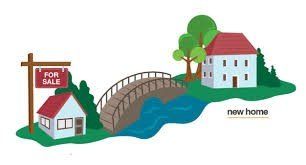
Bridge financing allows you to bridge the financial gap between the firm sale of your current home, and the firm commitment to purchase your new home.

Bridge financing allows you to access some of the equity in your existing property, which you can use towards the down payment on the new property you are buying. 

Where many people get confused is that in order to secure bridge financing, you must have a firm sale on your existing house.    That means all subjects have been removed!!

If you haven’t sold your home, you won’t get the bridge financing, because there is no concrete way for a lender to calculate how much equity you have available and if you can afford your new home.

For most people, unless you can qualify & pay for two mortgages, you should always sell your existing home before purchasing a new one. Why???

  • With today’s property values constantly changing, you won’t know how much money you have until you sell your home.  Your home is only worth what someone is willing to pay for it NOW!  Past sales and future guesses don’t count!
  • You need the proceeds from your existing home to help pay for your new home’s down payment, renovations, moving costs and (if required) how much mortgage you qualify for.  

If you have sold your existing home but your closing date is after the closing date of the new property you just purchased, then bridge financing is your best option:

  • Your new lender must allow for bridge financing (not all banks allow bridge financing as an option). Your mortgage broker can work with you to find a lender who offers bridge financing.
  • Bridge financing costs more than your traditional mortgage (i.e. Prime + 2-4% plus an administration fee). 
  • Typically bridge loans are restricted to 90 days.   

What happens if I don’t sell my home?

Banks will not provide you with a bridge loan if you don’t have a firm sale agreement for your home since the loan can’t be open-ended.  If you don’t have a firm selling date you may need to consider a private lender for the bridge loan.

Private Financing

If you have purchased your home and it is closing and your existing home has not sold, then you may have to take out a private loan:

  • This option is expensive and is based on you having enough equity in your current property to qualify.
  • Typically, private financing comes with a high interest rate 7-15% plus an upfront lender fee + broker fee. These amounts will vary based on your specific situation, such as time required for loan, loan amount, loan to value, credit bureau, property location, etc.
  • Private financing is expensive, but it could be cheaper than lowering the purchase price of your existing home by tens of thousands of dollars to sell your existing home quickly.

Your bank doesn’t do this type of financing. You must use a specialized mortgage broker who has access to individuals that lend money out privately.

Bridge financing & private financing are solutions when your buy and sell days don’t work. 

Don’t waste your time trying to sort all this out on your own.  Give me a call and let’s figure out what your best option would be.

Kelly Hudson

Mortgage Expert

Mobile: 604-312-5009

Kelly@KellyHudsonMortgages.com

www.KellyHudsonMortgages.com


Kelly Hudson
MORTGAGE ARCHITECTS
RECENT POSTS 

By Kelly Hudson March 6, 2026
Decisions relating to real estate can have significant financial and legal consequences. Before deciding how to share ownership of what is likely one of the largest investments of your life, I recommend consulting a real estate lawyer. Many Canadians purchase property together — including spouses, common-law partners, family members, friends, and business partners. Because ownership structure affects estate planning, taxes, creditor exposure, and control over the property, it’s important to understand your options before you sign. In Canadian property law, there are two primary forms of co-ownership: Joint Tenancy Tenancy in Common While these terms may sound similar, they have very different legal and financial effects — particularly if one owner dies, sells their interest, separates, or faces creditor claims.
By Kelly Hudson February 18, 2026
If you’re 55 or older and own your home, chances are you’ve heard about reverse mortgages. Sometimes they’re described as a “retirement lifesaver.” Other times they sound risky or confusing. The truth? They’re neither magical nor terrible. They’re simply a financial tool — and like any tool, they work well in some situations and not so well in others – EDUCATION is the key! Let’s break it down in plain English. So… What Is a Reverse Mortgage? A reverse mortgage allows you to borrow money against the value of your home — without making monthly mortgage payments. Instead of you paying the lender every month, the interest gets added to the balance. The loan is typically repaid when: The home is sold You move out permanently Or you pass away In Canada, reverse mortgages are currently offered by: HomeEquity Bank (CHIP Reverse Mortgage) Equitable Bank Bloom Financial You still own your home and your name stays on title. That part often surprises people. How It Works (Simple Version) To qualify: You must be 55 or older You must own your home (you can still have a regular mortgage — it just needs to be paid out) You can usually borrow up to about 55% of your home’s value (the older you are, the more you may qualify for) You don’t make monthly payments. But you must continue to: Pay property taxes Keep home insurance in place Maintain the home The money you receive is tax-free. It can come as: A lump sum Monthly advances Or a combination of both That flexibility is one reason many retirees like this option. Why Do People Consider Reverse Mortgages? Most of the homeowners I speak with aren’t looking for luxury spending money. They’re trying to solve real life situations: Covering rising living costs Paying off debt before retirement Managing health or care expenses Staying in their home longer Helping adult children with a down payment For many Canadians, their house is their largest asset — but it doesn’t create monthly income. A reverse mortgage turns some of that home equity into usable cash. The Pros (The Reasons People Like Them) 1. No Monthly Mortgage Payments This is the big one. If you’re living on CPP and OAS, removing a monthly mortgage payment can dramatically reduce stress. Cash flow improves immediately. 2. You Can Stay in Your Home Most people I meet don’t want to move. They love their neighborhood. Their friends are nearby. Family visits often. A reverse mortgage can allow you to age in place instead of selling before you’re ready. 3. The Money Is Tax-Free Because it’s borrowed money — not income — it does not affect: Old Age Security (OAS) Guaranteed Income Supplement (GIS) That’s a major advantage compared to withdrawing from investments. There are no rules about spending. Some clients use the funds to stay in place – health care at home. Some clients renovate. Some travel. Some gift funds to children. Some simply create a safety cushion. It’s your equity – you decide. 5. You Keep Ownership The bank does not own your home. As long as you live in your home, maintain it, insure it, and pay property taxes — you own your home and can stay. 6. No Negative Equity Guarantee In Canada, reverse mortgages include protection so that you (or your estate) will never owe more than the home is worth — even if property values decline. That protection matters.