
Pre-Qualified for Your Mortgage… What Does that Really Mean???

There is a myth out there that once you’re pre-qualified for a mortgage, you’re good to go out and buy a home… with a no subject offer… DON’T do it!!
A pre-qualification means that based on being able to PROVE (through documentation) your CURRENT income, expenses, down payment and credit bureau you SHOULD be able to get approved once you find the right property (this is the first half of the equation).
Remember that there cannot be any major changes to your application details prior to the completion of your purchase as it may affect your qualification and change the conditions of the approval.
I always recommend my clients put in a “subject to financing” clause with their realtor when they are putting in an offer to protect themselves.
Here’s why:
The lender can like you and your financial picture, BUT the lender doesn’t know which property you want to purchase (this is the other half of the equation). Here are 3 examples
- A bidding war has bid up the price and the best offer (yours) has been accepted. YIPPEE!!!
- The lender sends in their appraiser to determine the value of the property. The appraisal comes in at a lower price than your accepted offer DRATS.
- Depending on your down payment, you now must come up with the difference between the appraised value and your offer, since lenders will only offer a mortgage based on the appraised value of the home.
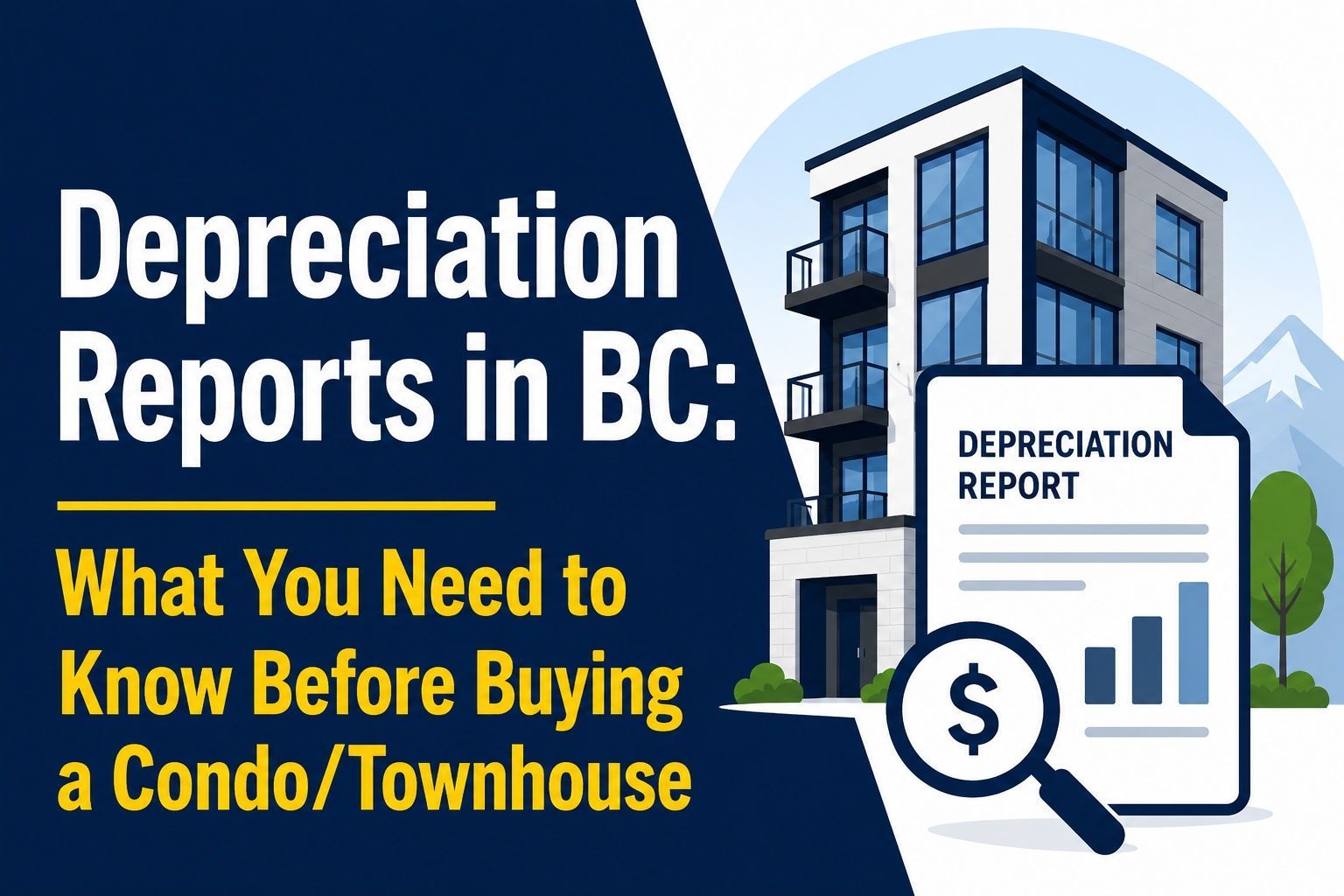
- You are buying a condo/townhouse and the strata minutes indicate that there are: leaks, electrical issues, roofing problems, etc. that the strata should be working on.
- If the Strata doesn’t have a big enough contingency fund, the lender can decline due to potential special assessments down the road.
- Property zoning - if the zoning is anything other than residential then your options will be limited. Some condos are zoned commercial if there is a large commercial component to the complex. Industrial, Agricultural Land Reserve (ALR), or leasehold (government or otherwise) limit a buyer’s options.
As you can tell… you may be ‘pre-qualified’ but
most certainly the subject property is not!!
Here’s a (partial) list of property details that can affect most lender’s decisions on approving your mortgage:
- Leased land (depends on who holds the lease and how much time is remaining on the lease)
- Age-restricted property
- For condo’s & townhouses
- Any reference to water or leaks in the minutes
- Strata with small contingency fund
- Special assessments (pending or otherwise)
- Self-managed strata’s (no strata management company)
- A “fixer upper”
- Contains asbestos, vermiculite insulations or has (even partial) knob-and-tube or aluminum wiring
- Co-ops
- Size of the property
- Typically, condo’s below 500 sq. feet or houses under 750 sq. feet
- Is on land with a commercial zoning component
- Doesn’t use municipal sewage or waste
- Over 1 Acre and/or multiple buildings
- In the Agricultural Land Reserve
- Farming or Livestock is present
- Upcoming legal proceedings
- A remediated grow-op or drug lab
The lender reviews the details of each property in detail once you have an accepted offer in place.
It’s important that the real estate agent discloses the information to their home buyers ASAP so that it can be reviewed by the lender. The realtor should be proactive in getting all documentation pertaining to the building/property, so that the buyer can make an educated buying decision. Many of the issues stated above can affect the long-term value and marketability of a property.
If you have a “subject to financing” clause in your purchase agreement, and you can’t find a lender, then you can back out of the deal with no financial repercussions.
In my opinion you need to always put in a “subject to financing clause” as that’s the best protection you have. With subject free offers you could forfeit your deposit (and facing potential legal action from the seller) should you want to cancel your contract after the agreement has been made, even though you were technically “pre-qualified”.
Mortgages are complicated, but they don’t have to be… Engage an expert before you start looking!
Kelly Hudson
Mortgage Expert
Mortgage Architects
604-312-5009
Kelly@KellyHudsonMortgages.com
www.KellyHudsonMortgages.com