
10 Reasons Why YOU May Not Qualify for a Mortgage
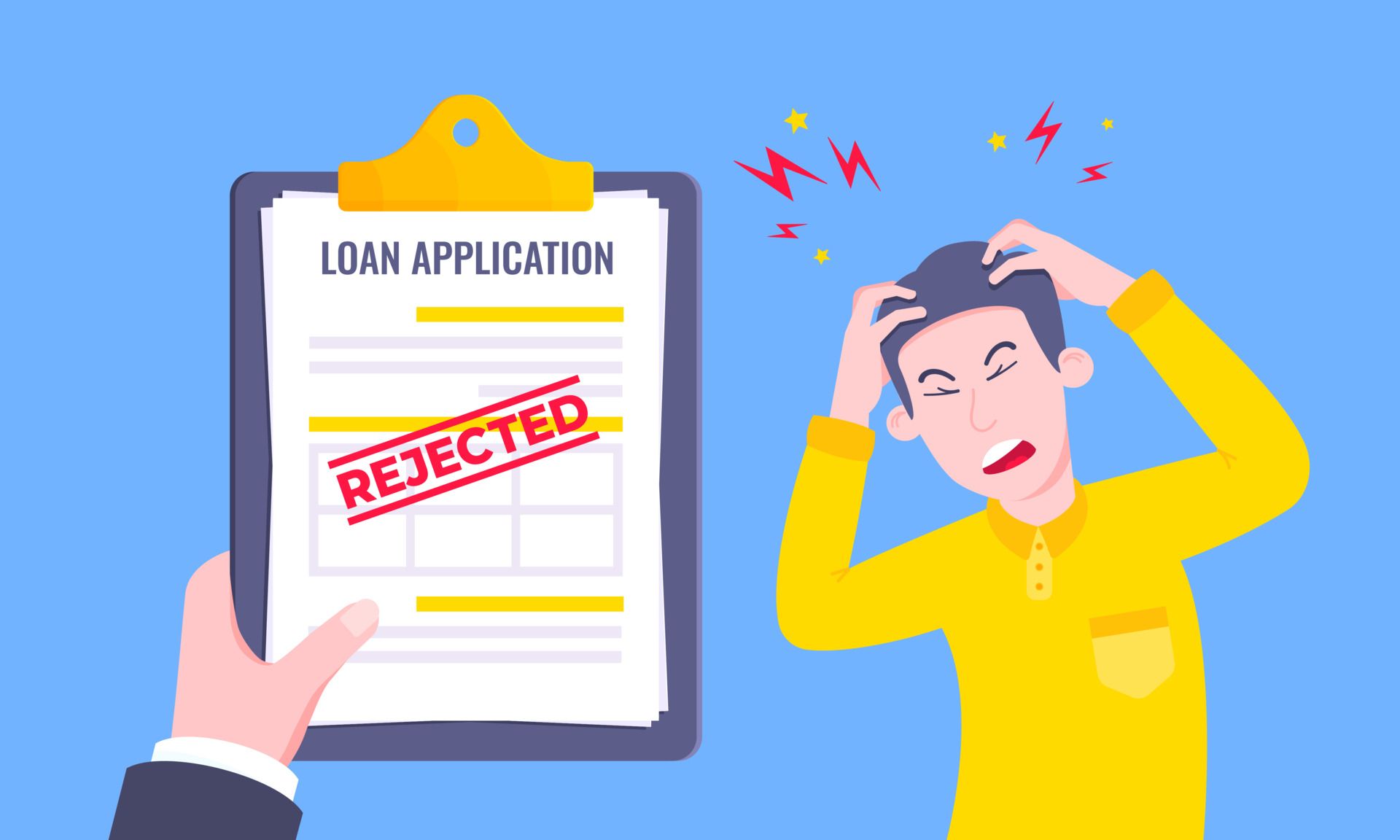
Buying a home is an exciting and significant step in one's life, but for most people, unless they are independently wealthy, it often involves securing a mortgage to turn their home buying dream into a reality.
Not everyone who applies for a mortgage gets approved. In my BLOG, we'll explore ten common factors that can affect mortgage eligibility.
- Low or No Credit Score: One of the most critical factors in mortgage approval is your credit score. Lenders use this score to assess your creditworthiness. A low credit score may result from missed payments, high credit card balances, or other negative credit history, making it challenging to secure a mortgage. Think of it from the lenders point of view… they are going to lend you Hundred’s of Thousands of dollars and the only indication that you will pay them back as promised, is by thoroughly reviewing your credit bureau.
- BLOG 8 Credit Rules You Need to Know, Before You Buy a Home
- BLOG 5 C’s of Credit to get a Mortgage
- Insufficient Income: Lenders need to ensure that you have a provable income to make mortgage payments. If your income is insufficient to cover the monthly payments or your debt-to-income ratio is too high, it can lead to rejection.
- Employed or Self Employed: Lenders prefer borrowers with a provable, stable employment history. Frequent job changes, unemployment periods or recently starting your own business, will raise concerns from the lender about your ability to repay the mortgage.
- BLOG
Self Employed?? Here’s What You Need to Know About Mortgages
- High Debt Levels: Excessive debt, including credit card debt, student loans, or car loans, can have a negative impact on your mortgage approval. Lenders evaluate your debt-to-income ratio, and a high ratio may lead to your mortgage being denied.
- Insufficient Down Payment: Lenders require a down payment, typically ranging from 5% to 20% (or more) of the home's purchase price. If you can't afford the required down payment, it can be a significant barrier to mortgage approval.
- BLOG 5 GREAT Reasons To Provide a 20% Down Payment when Buying a Home
- BLOG Why You Need to Prove your Down Payment when Buying a Home
- BLOG
How to Verify Your Down Payment When Buying a Home
- Inadequate Documentation: Failure to provide accurate or complete documentation can lead to delays and jeopardize your mortgage approval.
- Poor Mortgage Payment History: If you've previously defaulted on a mortgage or faced foreclosure, declared bankruptcy or consumer proposal, it will impact your chances of getting approved for a new mortgage. Lenders are wary of borrowers with a history of non-payment.
- Too Much New Credit: Opening multiple new credit accounts shortly before applying for a mortgage can raise red flags for lenders, as it may indicate financial instability or a higher risk of default.
- Property Appraisal Issues: Even if you meet the financial criteria, the property itself must pass the lender's approval including an appraisal. If the appraisal value is lower than the purchase price, it can create challenges in securing a mortgage.
- BLOG What Happens When Your Home Appraisal Comes in Low?
- BLOG
BC Property Assessment vs Home Appraisal 2023
- Co-Signer Issues: Having a co-signer on your mortgage can be helpful if you have credit or income challenges. However, if the co-signer has their own financial obligations or credit challenges, it can affect your mortgage approval.
- BLOG Would a Co-Signer Enable You to Qualify for a Mortgage?
In conclusion, obtaining a mortgage is a significant milestone in the journey to homeownership. Hopefully, this list helps answer the common question borrowers ask when they are unable to qualify for a mortgage: 'Why?’
To increase your chances of mortgage approval, focus on maintaining a healthy credit score, managing your debt wisely, and working with your trusted mortgage broker will help you navigate the process and address potential obstacles.
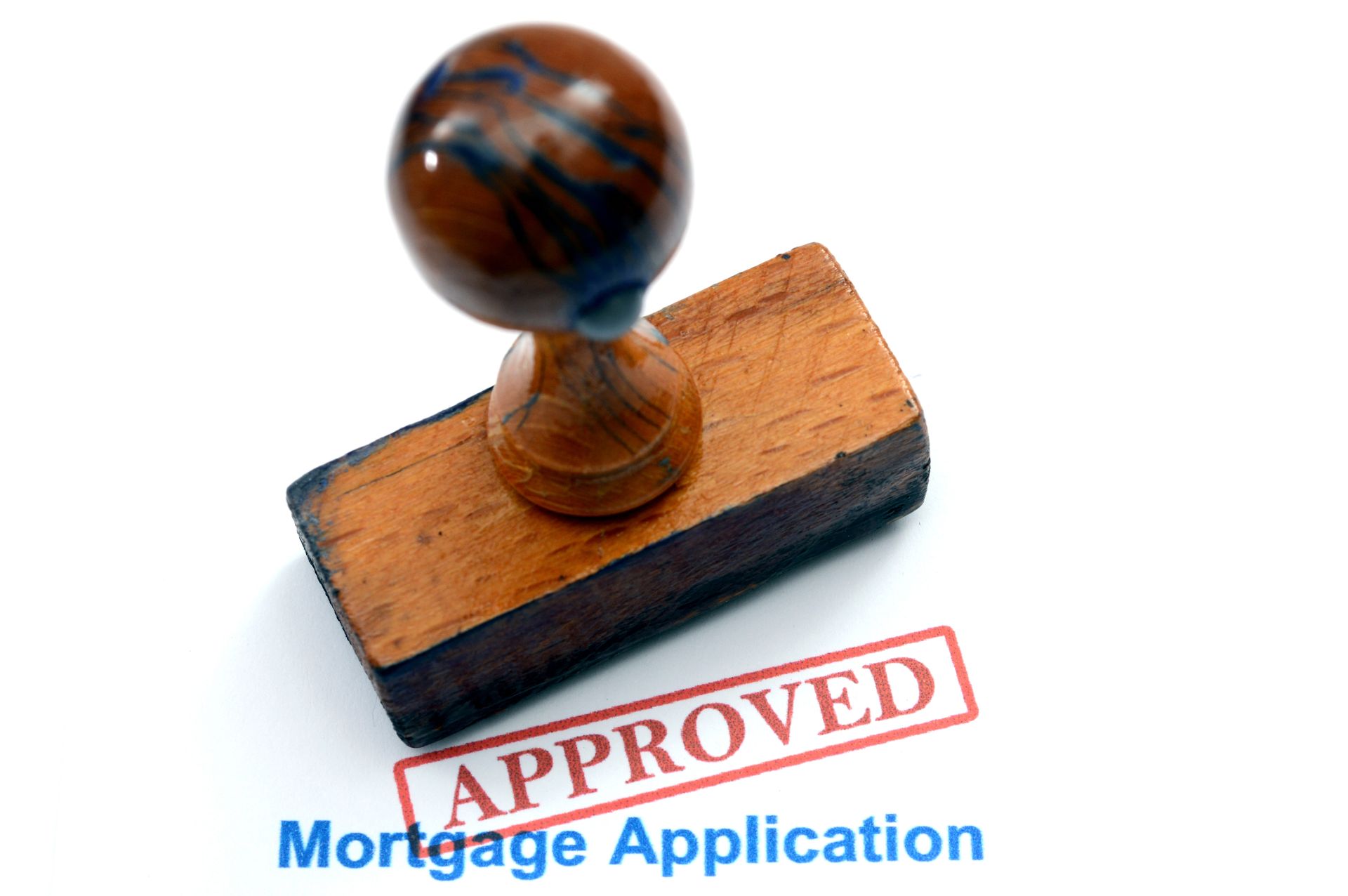
As brokers, we have the tools and expertise to assist borrowers with more complicated mortgage files. For home buyers with minimum 20% down payment, if the borrower can’t qualify since their situation doesn’t “fit in the box” we work can with alternative lenders that may be able to help.
As you can tell there is lots to discuss, let’s have a chat and find a mortgage that works for you and not the bank.
Kelly Hudson
Mortgage Expert
Mortgage Architects – A Better Way
Mobile: 604-312-5009
Kelly@KellyHudsonMortgages.com
www.KellyHudsonMortgages.com