7 Tips for Buying Your First Home in BC
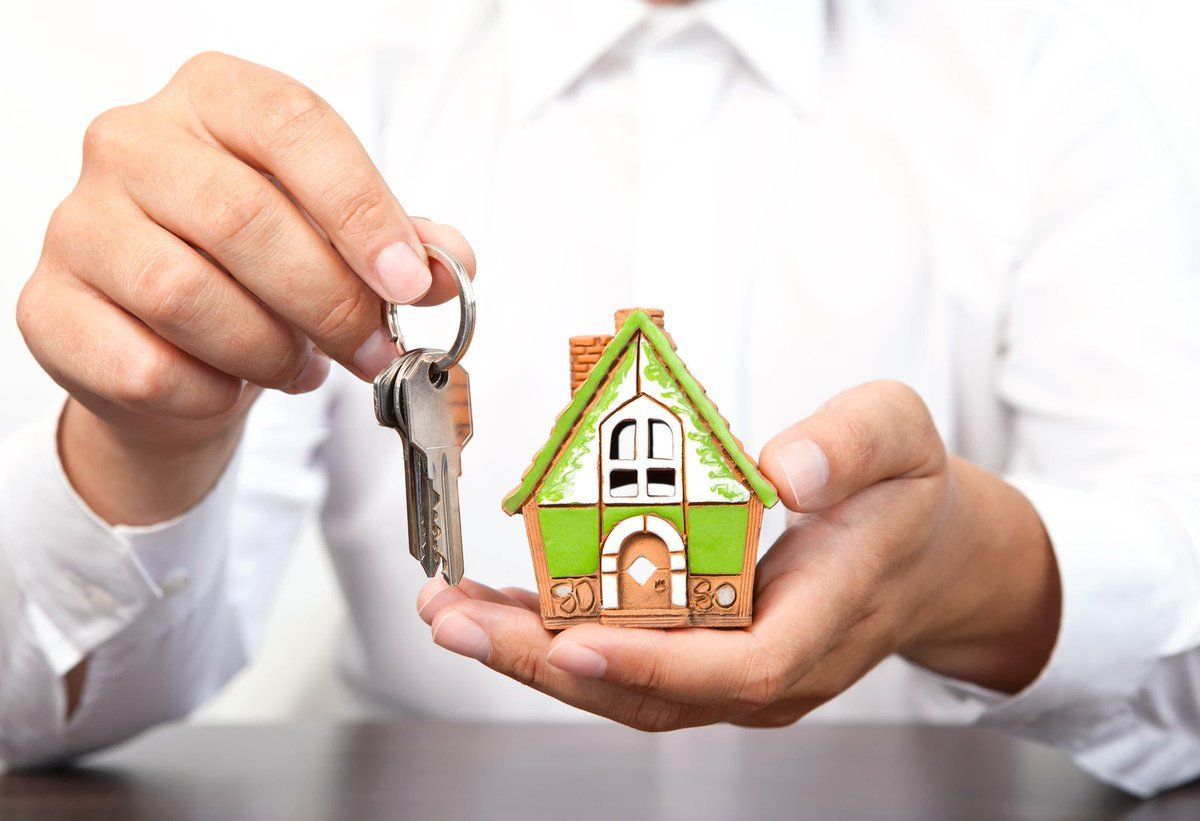
As a BC Mortgage Broker, I am often asked "what do I need to know when buying my first home?"
Buying your first home is both exciting and nerve wracking. My goal is to simplify and educate you about mortgage financing, so you make good decisions based on your situation.
Being prepared is the first step. The decision to purchase your first home can be a huge, life-changing event and you need to know exactly what you are getting into.
To get you prepared with the knowledge you need, check out my 7 tips to consider when you buy your first home in BC.
1. Strengthen your credit rating
It’s pretty simple: the higher your credit score, the lower your mortgage interest rate will be.
Spend the time now to improve your credit. Check your credit report. Many credit reports have errors, so you need to ensure that your credit bureau is current and correct.
ALWAYS pay every single one of your bills on time. Set up automatic payments if you have had any late payments over the last couple of years.
Stop applying for any new credit a year before you are considering buying and continue until you sign the closing papers on your home. Spend a maximum of 30% of credit limits on your credit cards.
2. Use a Mortgage Broker and figure out how much you can afford to spend
The home buyer's mantra: Get a home that is financially comfortable.
Mortgage Affordability: you have two options:
1) If you are simply looking for rough numbers on qualifying without a credit check or gathering documents, Download my Mortgage Planner which allows you to run multiple scenarios:
2) If you are looking to get a full Pre-Qualification, my process is a little different than others. I typically start with clients completing an online mortgage application to gather your basic information. I then run your credit bureaus, after which, I will provide you with a tailored list of supporting documents.
- In my experience, having these documents up front is vital to ensure that the budgets and details provided to you are accurate and your mortgage financing is based on your specific information.
Kelly’s recommendation: 1 year+ prior to going home shopping, estimate the mortgage payment for the home in your intended price range, along with other expenses (such as taxes, strata, insurance and utilities). Then bank the difference between the “new” home payments and what you're paying now. Not only will that simulate ownership, but it also helps you save for your down payment!
3. Save your down payment
Start now to build your down payment. To avoid paying Mortgage Default Insurance you need to have a minimum 20% down payment.
- BLOG: 5 GREAT Reasons to Provide a 20% Down Payment when Buying a Home
- BLOG: Everything You Need to Know about Mortgage Default Insurance
Building your savings account, beyond what you need for the down payment and closing costs. Lenders want to see that you're not living paycheck to paycheck. Having a rainy-day fund will make you a much more desirable candidate for lenders.
4. How long will you live in your new home?
Short-term home ownership can be an expensive proposition.
The transactional costs of buying and selling a house can be substantial including: realtor’d fees, legal fees, Property Transfer Tax, selling in a down market, moving, etc.
If you don’t plan to live in your new home for at least 3-5 years, you may not gain enough equity to make selling worthwhile.
5. How much house you need?
Buying a cheaper, smaller home might sound like a good place to start but could end up costing you more if you need to move due to changes in your lifestyle, including a growing family. Then again, buying more house than you currently need will cost you more with higher mortgage payments, higher maintenance, energy and tax costs.
Prioritize your housing wish list. They say that the 3 most important things to think about when buying a home are location, location, location. In Greater Vancouver your first choice for location i.e. Kitsilano or Yaletown may not be within your means. You also need to think about how the new home space will be used and whether it will fit your lifestyle now and in the future.
6. Remember closing costs.
While you’re saving your down payment, you need to save for closing costs as well.
In BC you need to pay Property Transfer Tax
7. Shop for a Realtor that has your best interests in mind.
Interview at least three Realtors. Get referrals from people you trust who have recently bought or sold, including me, your mortgage broker. I work with a lot of realtors, some of whom are outstanding in their field. Once you’ve decided which Realtor is the best fit for you, they can help you focus your search to find your perfect home.
- There is no cost for the Realtor for the home buyer since the home seller pays the commission for both the buyer & sellers realtor.
Besides the 7 tips I’ve listed above, there are many other things you should need to be aware of prior to buying your first home.
Let’s have a chat to discuss your next steps for home ownership and mortgage financing.
Mortgages are complicated… BUT they don’t have to be… Engage a Mortgage Expert.
Kelly Hudson
Mortgage Expert
Mortgage Architects
Cell 604.312.5009