Frequency of Mortgage Payments: Understanding How it Impacts Your Finances
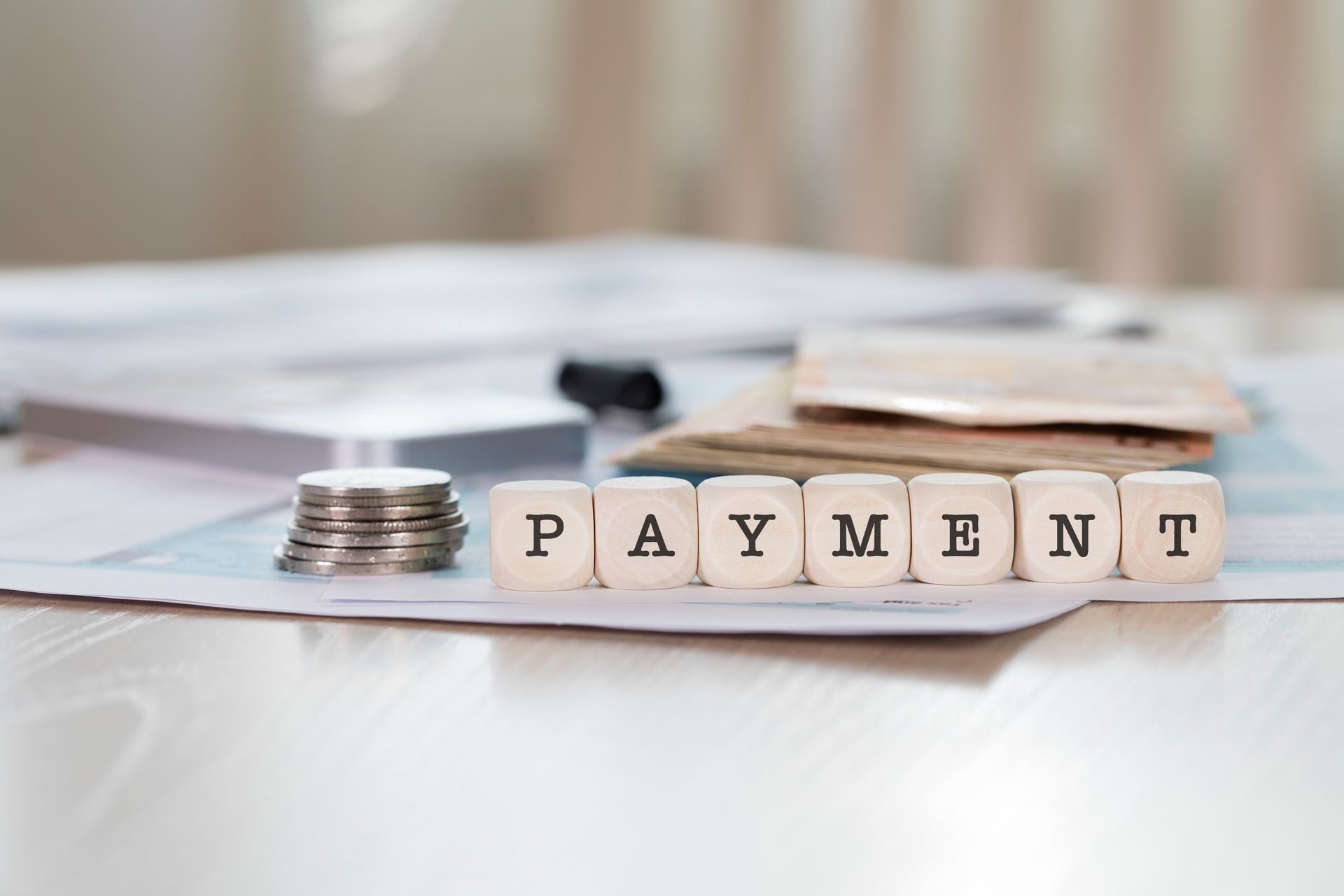
When it comes to managing your mortgage, every payment matters. The frequency of your mortgage payments can significantly impact your financial strategy and overall budgeting. While monthly payments are the norm, alternatives like bi-weekly, semi-monthly, and accelerated options offer unique advantages and considerations. Let's explore how each frequency impacts your bottom line and helps you make informed decisions about your mortgage.
Understanding Mortgage Payment Frequencies
Mortgage payments are the backbone of homeownership, representing a blend of interest and principal. Interest accrues on the outstanding balance (principal), and once it's paid, the remainder of your payment goes towards reducing the principal balance (amount you borrowed).
Here's a breakdown of the most common payment frequencies:
1. Monthly Payments (12/year): The most prevalent option, monthly payments simplify budgeting with 12 payments per year. They align well with most income schedules, offering convenience and consistency.
2. Semi-Monthly Payments (24/year): Occurring twice a month (typically 1st & 15th), semi-monthly payments result in 24 payments annually, equivalent to 12 full payments. While they offer structured budgeting, they lack the accelerated payoff benefits of other options.
3. Accelerated Bi-Weekly Payments (26/year): Accelerated bi-weekly payments involve paying every two weeks, totalling 26 payments annually (equivalent to 13 months' worth in a 12-month period). This extra payment each year accelerates mortgage payoff, reducing the principal balance faster and saving on interest over time.
Considerations for Choosing Payment Frequencies
Selecting the right payment frequency depends on various factors, including your financial goals, cash flow, and budgeting preferences.
1. Interest Savings: Accelerated bi-weekly payments save significant interest costs over the loan term by reducing the principal balance faster. Use mortgage calculators to compare total interest paid under different frequencies.
2. Budgeting Flexibility: Monthly payments offer simplicity and consistency, while accelerated bi-weekly payments may require stricter budgeting. Consider your ability to accommodate higher payment amounts.
3. Income Frequency: Align payment frequency with your income schedule. Bi-weekly or semi-monthly payments may sync well with your paychecks, offering smoother cash flow management.
4. Financial Discipline: Accelerated bi-weekly payments demand consistency to maintain the accelerated payoff schedule. Assess your financial habits and commitment to determine suitability.
5. Lender Policies: Some lenders offer flexibility to change payment frequencies throughout the mortgage term. Check your lender's guidelines for options available to you.
In conclusion, the frequency of mortgage payments plays a crucial role in managing your mortgage effectively and achieving your financial goals. Whether you prefer the simplicity of monthly payments or the benefits of accelerated bi-weekly payments, it's essential to weigh the advantages and considerations of each option before deciding.
By understanding the differences in payment frequencies and evaluating your financial situation, you can choose the payment schedule that best aligns with your needs and objectives.
Reducing mortgage payoff time is possible with the right strategy. Explore various mortgage options tailored to your preferences and financial objectives. Whether purchasing, investing, or refinancing, a mortgage tailored to your needs can accelerate your journey to financial freedom.
Let's discuss a mortgage plan that works for you, empowering your financial future and helping you achieve your homeownership dreams.
Whether it's a new home, investment property, or refinancing, I have the knowledge and experience to guide you towards the right mortgage solution. Let's embark on this journey together!
Let’s discuss a mortgage that works for you (not the bank)!
Kelly Hudson
Mortgage Expert
Mortgage Architects
Phone 604-312-5009
Kelly@KellyHudsonMortgages.com
www.KellyHudsonMortgages.com