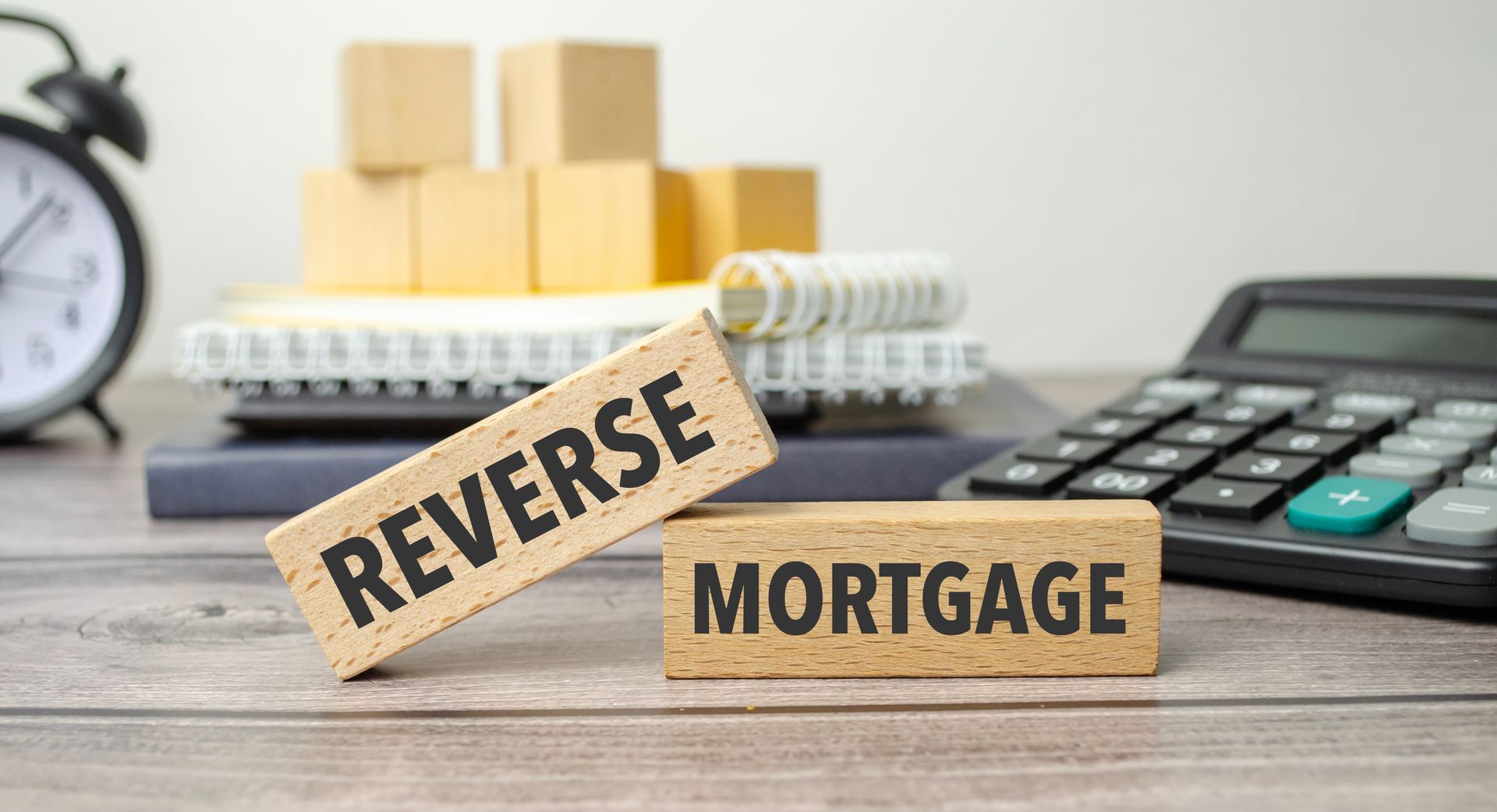
Understanding Canadian Reverse Mortgages - Unlocking Home Equity for Homeowners 55+
48% of Canadian homeowners are 55+ and many find that their homes represent a significant portion of their net worth.
For retirees looking to access their home equity without selling or moving, a Canadian reverse mortgage offers an ideal solution. However, this financial product isn’t without its complexities.
In this article, we’ll explore what a reverse mortgage is, its advantages, and why consulting with a mortgage broker is essential for making an informed decision.
What is a Canadian Reverse Mortgage?
A reverse mortgage is a financial product available to Canadian homeowners aged 55 or older. It allows them to borrow against the equity in their homes while continuing to live there.
Unlike a traditional mortgage, no monthly payments are required; instead, the loan balance grows over time as interest accumulates. Repayment is only required when the homeowner sells the property, moves out, or passes away.
With more than 50% of Canadians worried about outliving their retirement savings, reverse mortgages can offer financial relief, especially as inflation and interest rates strain fixed incomes.
The Benefits of Canadian Reverse Mortgages
Reverse mortgages can be a valuable tool for Canadian retirees, offering several key advantages:
- Stay in Your Home
93% of Canadians 55+ want to stay in their homes and age in place.
- Emotional Value: Reverse mortgages allow retirees to remain in familiar surroundings, preserving their sense of independence and community ties.
2. No Monthly Mortgage Payments
20% or retirees still have a mortgage – 66% are still carrying credit card debt!
Unlike traditional loans, reverse mortgages don’t require monthly repayments.
- Advantage: This alleviates the burden of regular payments for retirees with limited cash flow. The loan is repaid only when the home is sold or ownership changes.
3. No Impact on Government Benefits
A reverse mortgage does not affect eligibility for government benefits like Old Age Security (OAS) or the Canada Pension Plan (CPP).
- Why It Matters: Retirees can access home equity without jeopardizing their existing income streams.
4. Supplement Retirement Income
A reverse mortgage can provide much-needed funds to supplement retirement income, helping retirees cover daily living expenses or healthcare costs without the need to sell their homes.
- Example: For retirees on a fixed income, accessing home equity can ease financial stress while allowing them to maintain their lifestyle or help with in home care.
5. Fund Home Improvements
Aging in place often requires home modifications, such as installing ramps, stairlifts, or accessible bathrooms.
- How it Helps: A reverse mortgage can finance these renovations, enabling seniors to remain in their homes longer and more comfortably.
6. No Risk of Negative Equity
Reverse mortgages are structured to ensure homeowners never owe more than the home’s value.
- Peace of Mind: This guarantees that even if the housing market declines, neither the homeowner nor their heirs will face additional financial obligations.
7. Flexible Payment Options
Reverse mortgages offer a variety of ways to receive funds:
- Lump sum payment
- Regular monthly disbursements
- Line of credit for future needs
This flexibility allows homeowners to tailor their financing to meet their unique needs.
Considerations and Risks
While reverse mortgages offer significant benefits, they also come with considerations that must be carefully weighed. This is why you need to work with your mortgage broker.
Higher Interest Rates: Reverse mortgages typically carry slightly higher interest rates than traditional loans.
Accumulating Debt: The loan balance grows over time, potentially reducing the estate value left to heirs.
Fees and Costs: Reverse mortgages can involve setup costs, including appraisal, legal, and administrative fees.
Is a Reverse Mortgage Right for You?
The decision to pursue a reverse mortgage depends on individual circumstances. Speaking with a qualified mortgage broker is essential to evaluate whether this product aligns with your financial goals.
- Key Questions to Discuss:
- How will a reverse mortgage impact my long-term financial plan?
- Are there alternative ways to access funds, such as a home equity line of credit (HELOC)?
- What are the costs, and how do they compare to other options?
Conclusion
A Canadian reverse mortgage can be a powerful financial tool for retirees, offering a lifeline to supplement income, finance home improvements, and stay in their cherished homes.
If you’re considering a reverse mortgage, take the time to discuss your unique situation with me, your trusted mortgage broker. Together, we can determine whether this product aligns with your goals and needs.
Let’s start the conversation today to explore your options and secure your financial future!
Kelly Hudson
Mortgage Broker
604-312-5009
Kelly@KellyHudsonMortgages.com