Want to Buy Rural Property? 7 Things to know before you buy!
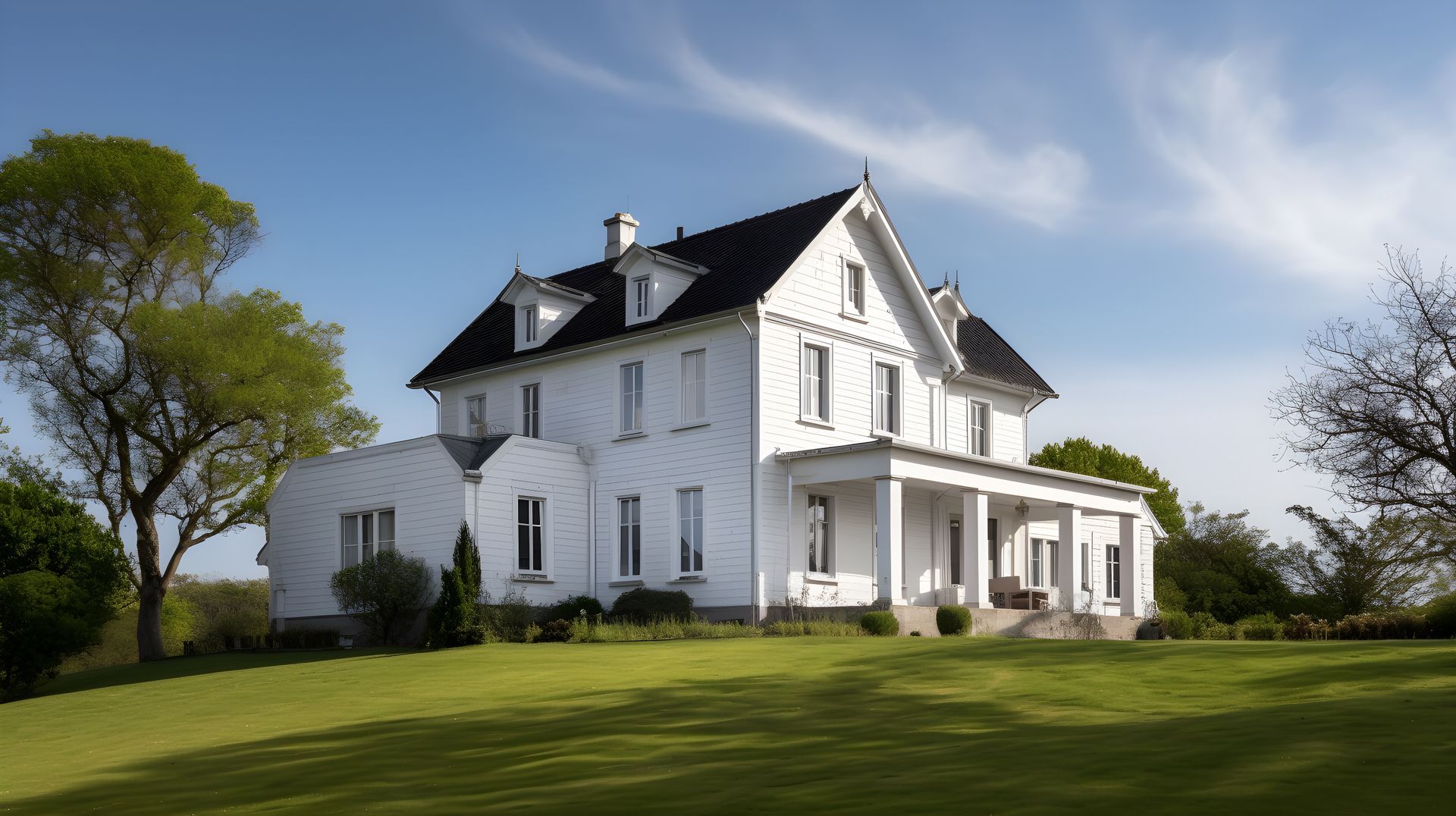
Living in the country has a lot of appeal for many people. Imagine waking up to the sound of birds instead of traffic, having a big yard to play in, and enjoying the peace and quiet that city life often lacks. A country home offers ample space, a place to raise your family, and the beauty of nature right at your doorstep.
However, buying a rural home can be quite different from purchasing a home in the city, especially when it comes to getting a mortgage. Let’s explore some important things to consider before making the move to the countryside.
Understanding Mortgage Risks
When lenders look at your mortgage application, they are primarily concerned about managing risk. Higher risk means higher interest rates. The main risk for lenders is whether you'll repay the loan as agreed. If you don’t, they might have to take your home and sell it to get their money back.
- Foreclosure Hassles: Lenders do not want to own your property.
- Foreclosing on a home is a long and complicated process that involves evicting the current owners, listing the property for sale, and waiting for it to sell.
- This process can take months & months, especially in rural areas.
- Rural Property Challenges: Selling a rural home can be more difficult compared to an urban one.
- The demand for homes in the country is usually lower, meaning it could take longer to find a buyer.
To reduce their risk, lenders have special rules for rural properties.
What Counts as a Rural Property?
In Canada, a rural property is typically defined as land located outside urban areas, characterized by low population density, primarily used for agriculture, forestry, or natural resource activities, and often lacking extensive infrastructure.
7 Key Considerations Before Buying a Country Home:
1. Zoning Matters
Many lenders are hesitant to mortgage properties zoned as agricultural. Why? It’s all about risk again.
- Foreclosure on Farms: Foreclosing on a farm means taking away a farmer's livelihood, which involves complex legal hurdles designed to protect farmers.
- Non-Farming Uses: If you’re not planning to farm, financing a rural home can be similar to financing an urban home.
2. Water and Septic Systems
In the country, you need to manage your own water and sewer systems.
- Water Tests: If your water comes from a well, lenders might require a potability and flow test to ensure the water is drinkable.
- Septic Systems: Check the septic system with a qualified inspector. Make sure the seller guarantees that the system is in good working order until closing. Repairs can be costly, so include these checks in your buying conditions.
3. Land and Appraisal
Lenders when looking at the value of your property typically consider the house, one garage (outbuilding), and up to 10 acres of land.
- Appraisal Costs: Rural property appraisals can be more expensive because the appraiser has to travel further. The appraised value might also be lower than expected since rural properties don’t sell as quickly as city homes.
- Covering the Difference: If you love the property, be prepared to pay the difference between the selling price and the appraised value.
4. Wood Energy Technology Transfer (WETT)
If the house has a wood stove or fireplace, consider making your offer conditional on a satisfactory WETT inspection. This ensures the wood-burning unit is safe and properly installed.
5. Title Insurance
Rural lands, especially larger or remote ones, may have been used for dumping toxic chemicals.
- Check the Title: Investigate the property’s title for any history of hazardous waste. Title insurance can protect you from potential issues.
- Insurance Requirements: Your insurance company might require title insurance before issuing a policy.
6. House Insurance and Fire Safety
- Lenders require insurance to protect their investment.
- Getting home insurance in the country can be tricky and expensive due to the distance from fire hydrants and stations.
- If you can't get insurance, it might delay or prevent your mortgage from closing.
7. Work with a Realtor Who Knows about Rural Properties
- Hire a real estate agent knowledgeable about rural properties and local zoning laws.
- Zones and the related details are determined by each local government so there may be variation between communities throughout each province.
The Bottom Line
Buying a rural home involves unique challenges, especially when it comes to securing a mortgage. Before you make an offer, have a detailed discussion with your real estate agent, mortgage broker, and lawyer to understand all aspects involved. Mortgages can be complex, but with the right guidance, you can find a solution that works for you.
Need Help?
If you're considering a move to the country and need expert advice on mortgages, don’t hesitate to reach out.
Let’s discuss a mortgage that works for you, not the bank!
Kelly Hudson
Mortgage Expert
Cell: 604-312-5009
Kelly@KellyHudsonMortgages.com
www.KellyHudsonMortgages.com