BC Introduces Innovative New Program to Help First-Time Homebuyers

KellyHudsonMortgages • December 15, 2016

christy-clark-bc-home-owner-mortgage-equity-partnership-dec15-2016

BC Home Owner Mortgage & Equity Partnership*


In a move to help BC citizens and residents buy their first  home, the BC government announced today that it is launching a new program to augment down payments for first-time buyers.

The B.C. Home Owner Mortgage and Equity Partnership program contributes to the amount first-time homebuyers have already saved for their down payment, providing up to $37,500, or up to 5% of the purchase price, with a 25-year loan that is interest-free and payment-free for the first five years. Through the program, the Province is investing about $703 million over the next three years to help an estimated 42,000 B.C. households enter the market for the first time.

During the first five years, no monthly interest or principal payments are required as long as the home remains the homebuyer’s principal residence. After the first five years, homebuyers begin making monthly payments at current interest rates. Homebuyers will repay the loan over the remaining 20 years, but may make extra payments or repay it in full at any time without penalty. The loan must be repaid in full when the home is sold or transferred to another owner.

To be eligible, buyers must be preapproved for an insured high-ratio first mortgage (mortgage down payment is less than 20% of the home price). On completion of the sale, program funds will be advanced and the loan will be registered as a second mortgage on the property’s title.

Applications will be accepted starting January 16, 2017. This will be a three-year program with loans advanced from February 15, 2017 until March 31, 2020.

Eligible homebuyers

All individuals with a registered interest on title must reside in the home and:

  • Be a first-time homebuyer
  • Have been a Canadian citizen or permanent resident for at least five years
  • Have resided in BC for at least 12 months
  • Have a combined gross income of $150,000 or less
  • Have saved at least half of the minimum down payment they will require
  • Must be pre-approved for the first mortgage before applying

The first mortgage must be high-ratio insured from an NHA approved lender for more than 80% of the purchase price.

Eligible Properties

Any legal, self-contained, mortgageable residence located in BC

  • Must be used as a principal residence for the first 5 years
  • Rental properties and seasonal or recreational properties are not eligible
  • The purchase price cannot exceed $750,000

Home Partnership Loans

  • Up to 25-year term, registered as a second mortgage
  • No interest or principal payments for the first 5 years
  • Monthly principal and interest payments begin in year 6, amortized over remaining 20 years
  • Interest rate for years 6 to 10 set near first mortgage rate at time mortgage is registered
  • Interest rate reset to near first mortgage rate at years 10, 15, and 20
  • Homeowner may repay in full or part at any time without penalty.

The loan is due and payable in full upon

  • The home ceasing to be the primary resident in the first 5 years
  • Default on the first mortgage
  • Sale of home or change of ownership
  • Any other default on the Home Partnership second mortgage

Bottom Line: This is a bold and innovative step to help potential new buyers to meet the greatest hurdle of first-time homeownership—the down payment.  The Federal Government’s new mortgage regulations released in October hit first-time homebuyers hard, so this program will be welcome relief for B.C. residents. The B.C. government estimates that it will make more than 42,000 new loans over the three-year life of this program, amounting to $703 million in new funding available for qualified first-time homebuyers to come up with their down payments. This is particularly important for BC, which has the highest home prices in Canada.

Need help in understanding mortgages? Give me a call and let’s chat.

Kelly Hudson

Mortgage Expert

Mobile: 604-312-5009

Kelly@KellyHudsonMortgages.com

www.KellyHudsonMortgages.com


* Dr. Sherry Cooper Chief Economist, Dominion Lending Centres
Kelly Hudson
MORTGAGE ARCHITECTS
RECENT POSTS 

By Kelly Hudson March 6, 2026
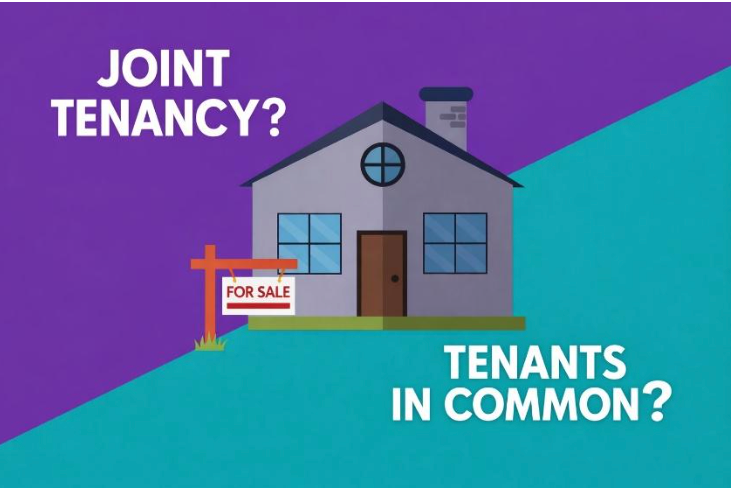
Decisions relating to real estate can have significant financial and legal consequences. Before deciding how to share ownership of what is likely one of the largest investments of your life, I recommend consulting a real estate lawyer. Many Canadians purchase property together — including spouses, common-law partners, family members, friends, and business partners. Because ownership structure affects estate planning, taxes, creditor exposure, and control over the property, it’s important to understand your options before you sign. In Canadian property law, there are two primary forms of co-ownership: Joint Tenancy Tenancy in Common While these terms may sound similar, they have very different legal and financial effects — particularly if one owner dies, sells their interest, separates, or faces creditor claims.
By Kelly Hudson February 18, 2026
If you’re 55 or older and own your home, chances are you’ve heard about reverse mortgages. Sometimes they’re described as a “retirement lifesaver.” Other times they sound risky or confusing. The truth? They’re neither magical nor terrible. They’re simply a financial tool — and like any tool, they work well in some situations and not so well in others – EDUCATION is the key! Let’s break it down in plain English. So… What Is a Reverse Mortgage? A reverse mortgage allows you to borrow money against the value of your home — without making monthly mortgage payments. Instead of you paying the lender every month, the interest gets added to the balance. The loan is typically repaid when: The home is sold You move out permanently Or you pass away In Canada, reverse mortgages are currently offered by: HomeEquity Bank (CHIP Reverse Mortgage) Equitable Bank Bloom Financial You still own your home and your name stays on title. That part often surprises people. How It Works (Simple Version) To qualify: You must be 55 or older You must own your home (you can still have a regular mortgage — it just needs to be paid out) You can usually borrow up to about 55% of your home’s value (the older you are, the more you may qualify for) You don’t make monthly payments. But you must continue to: Pay property taxes Keep home insurance in place Maintain the home The money you receive is tax-free. It can come as: A lump sum Monthly advances Or a combination of both That flexibility is one reason many retirees like this option. Why Do People Consider Reverse Mortgages? Most of the homeowners I speak with aren’t looking for luxury spending money. They’re trying to solve real life situations: Covering rising living costs Paying off debt before retirement Managing health or care expenses Staying in their home longer Helping adult children with a down payment For many Canadians, their house is their largest asset — but it doesn’t create monthly income. A reverse mortgage turns some of that home equity into usable cash. The Pros (The Reasons People Like Them) 1. No Monthly Mortgage Payments This is the big one. If you’re living on CPP and OAS, removing a monthly mortgage payment can dramatically reduce stress. Cash flow improves immediately. 2. You Can Stay in Your Home Most people I meet don’t want to move. They love their neighborhood. Their friends are nearby. Family visits often. A reverse mortgage can allow you to age in place instead of selling before you’re ready. 3. The Money Is Tax-Free Because it’s borrowed money — not income — it does not affect: Old Age Security (OAS) Guaranteed Income Supplement (GIS) That’s a major advantage compared to withdrawing from investments. There are no rules about spending. Some clients use the funds to stay in place – health care at home. Some clients renovate. Some travel. Some gift funds to children. Some simply create a safety cushion. It’s your equity – you decide. 5. You Keep Ownership The bank does not own your home. As long as you live in your home, maintain it, insure it, and pay property taxes — you own your home and can stay. 6. No Negative Equity Guarantee In Canada, reverse mortgages include protection so that you (or your estate) will never owe more than the home is worth — even if property values decline. That protection matters.