Buying vs. Renting in Canada: Which Makes Financial Sense for You?
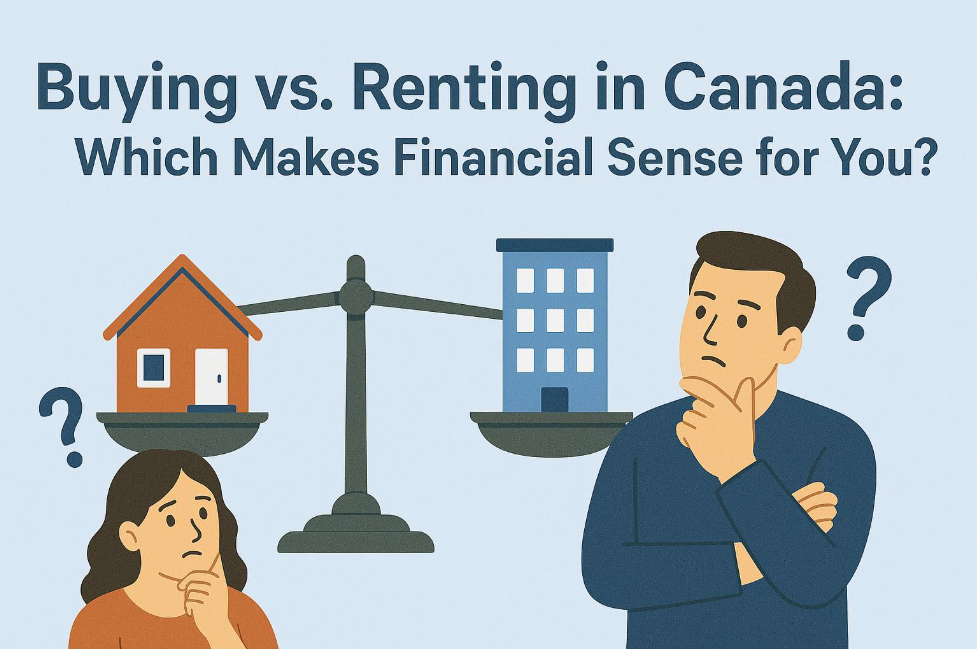
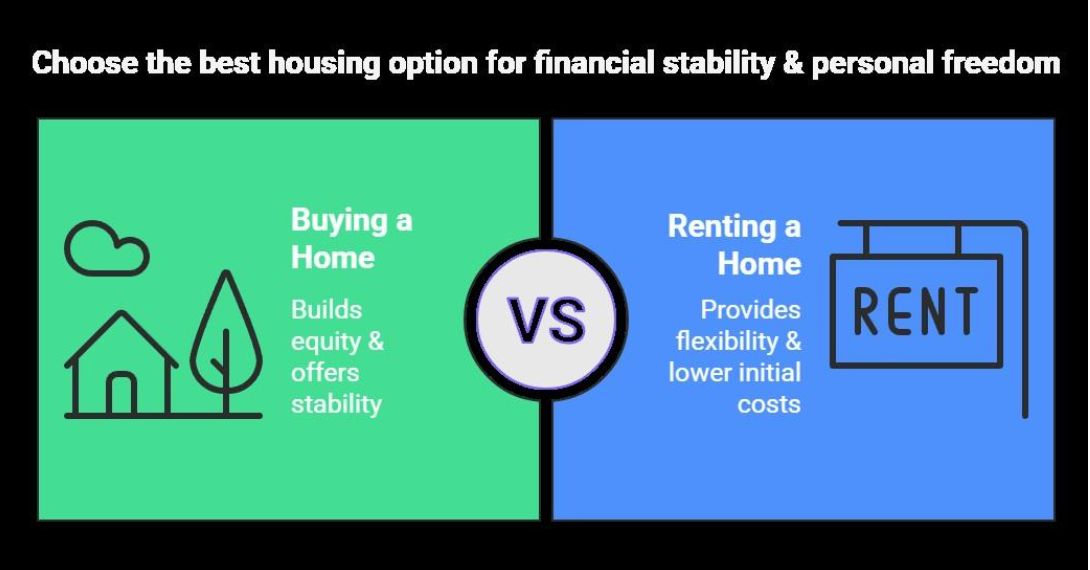
Are you debating whether it's smarter to rent or buy a home in Canada? It's a common question, and the answer depends on your personal situation. Both renting and buying have their pros and cons, but for most people, homeownership tends to offer substantial long-term benefits. Let’s explore both options clearly, so you can confidently decide what’s best for you.
Advantages of Buying a Home
1. Personal Freedom and Customization Owning your home means having the freedom to personalize your living space. Dreaming of a bold paint colour or unique flooring? Go ahead—your home, your rules!
2. Building Equity and Wealth Each mortgage payment you make is an investment in yourself. Over time, your home typically appreciates in value, increasing your equity. This can become a significant asset that helps secure your financial future.
3. Stability and Security Owning offers peace of mind. You don’t need to worry about sudden rent hikes or eviction notices. Your home remains yours until you decide otherwise.
4. Long-Term Financial Benefits Homeownership acts as forced savings. Unlike renting, every mortgage payment moves you closer to outright ownership, building a financial foundation that can support you and your family for years to come.
Challenges of Buying a Home
1. Upfront Costs Buying comes with significant initial costs, including a down payment, legal fees, home inspection, appraisal, moving expenses, etc.
2. Responsibility for Maintenance Owning a home means you're responsible for maintenance and repairs. This can sometimes be costly and inconvenient.
3. Reduced Flexibility Selling a home typically takes time, which can limit your flexibility if you need or want to relocate quickly.
Advantages of Renting
1. Easy Mobility Renting offers flexibility to relocate easily, beneficial for frequent job changes or lifestyle adjustments.
2. Fewer Responsibilities Repairs and maintenance are generally your landlord’s responsibility, reducing stress and unexpected expenses.
3. Lower Initial Costs Renting typically requires just a security deposit and the first month's rent, making it easier financially at the start.
Downsides of Renting
1. No Equity Building Rent payments do not contribute to your equity. Instead, you’re effectively paying your landlord’s mortgage, offering no long-term financial return.
2. Restrictions and Rules Landlords often impose limitations, such as no pets or restrictions on decorating, making it challenging to feel fully at home.
3. Instability and Uncertainty Renters may face sudden rent increases or eviction if the landlord decides to sell or repurpose the property, disrupting your life significantly.
How to Decide if Buying Makes Sense for You
Consider these key questions:
- Financial Stability: Can you afford a down payment, closing costs, and an emergency fund?
- Long-Term Plans: Do you intend to stay in one location for a few years?
- Personal Preferences: Do you value customization and control over your living environment?
- Market Conditions: Is homeownership financially advantageous compared to renting in your area?
Answering 'yes' to these questions means buying could be an excellent decision for you.
A Helpful Exercise: "Trying On" a Mortgage
If you’re renting and uncertain whether you can handle the financial commitment of homeownership, consider this practical strategy: calculate the difference between your current rent and the total monthly cost of owning a home, including mortgage, property taxes, strata fees (if applicable) etc. Deposit this difference monthly into a savings account for six months.
This approach lets you experience the financial reality of owning a home without immediate risk. Additionally, you’ll boost your savings, bringing you closer to your homeownership goal.
Why Buying Typically Offers Greater Long-Term Value
In the long term, buying a home generally makes more financial sense. It helps you build equity, achieve stability, and enjoy greater personal freedom. Renting can feel simpler in the short term but offers little long-term financial benefit or security.
By carefully considering your finances, goals, and the housing market, you'll make the right decision for your unique situation.
Ready to explore further? Let's connect and discuss whether homeownership aligns with your financial goals and personal dreams.
Kelly Hudson
Mortgage Expert
Mortgage Architects – A Better Way
Mobile: 604-312-5009
Kelly@KellyHudsonMortgages.com
www.KellyHudsonMortgages.com